Roadside Signs For Businesses: Complete Guide


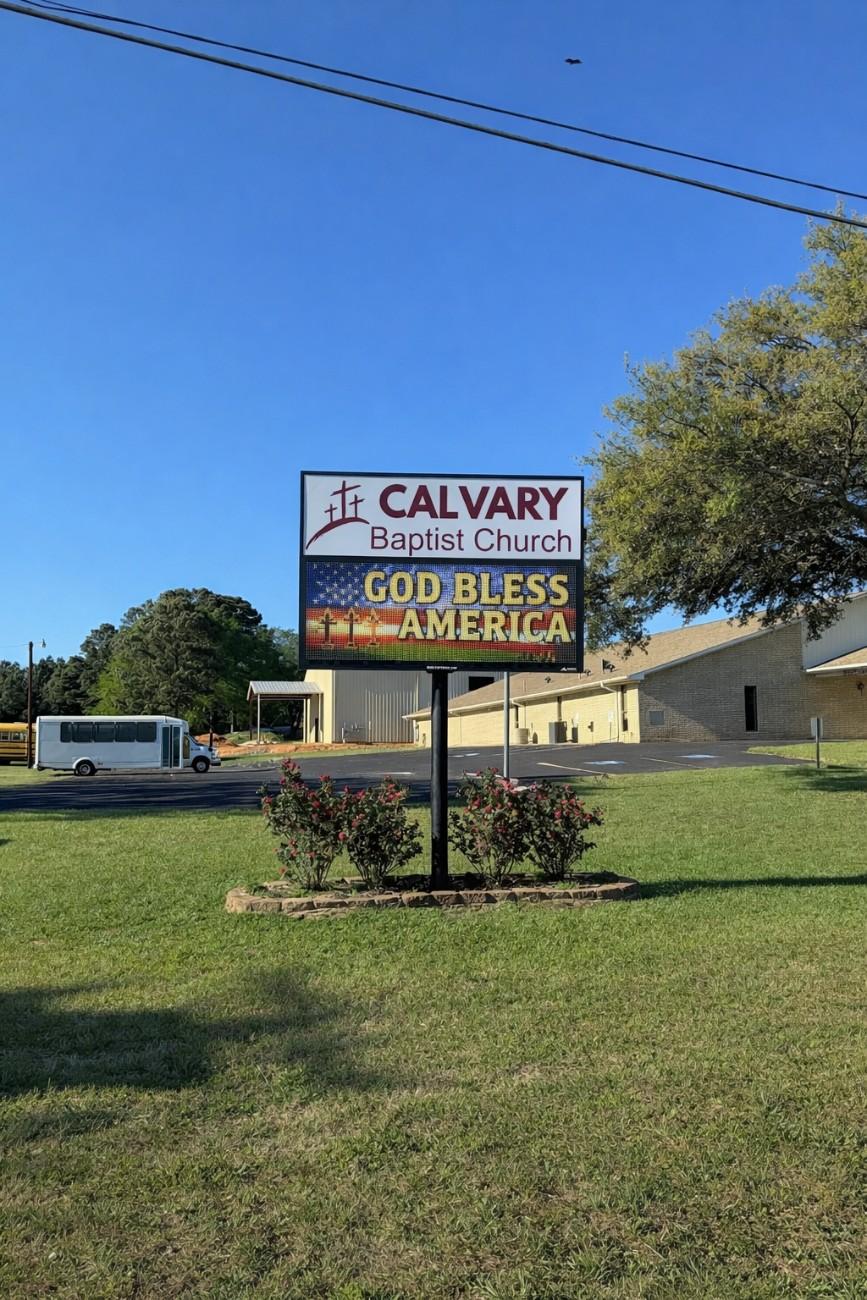
Discover how roadside signs can enhance your business visibility, strengthen brand recognition, and attract more customers. Read on to find out if it's the right investment for your business.
If you are thinking about roadside signs for businesses, you are probably trying to solve a simple problem: you want the right people to notice you, understand what you do, and choose you fast. A good roadside sign can do that every day, even when you are closed. A bad one can waste money, trigger permit issues, or create visibility problems that make people drive right past.
At Sign Express, we help businesses design, manufacture, and install custom roadside signs that maximize visibility while meeting local requirements. This guide walks you through the real-world choices that matter, like placement, readability, lighting, materials, rules, and upkeep. It is written to help you make confident decisions and get a sign that works in the real world, not just in a mock-up.
What Counts As A Roadside Sign For A Business?
A roadside sign is any sign meant to be seen from a street, road, or highway that helps people find you, recognise you, or act on an offer. Some are on your property, some are directional, and some fall under heavier outdoor advertising rules depending on where they are installed.
Roadside signs for businesses typically fall into a few practical buckets:
- Primary identity signs (your main "this is us" sign)
- Directional signs (how to enter, where to park, where reception is)
- Promotional signs (limited-time offers, new menu items, seasonal services)
- Wayfinding signs (helping people navigate a larger site)
- Regulatory and safety signs (speed limits on private drives, loading zones, exits)
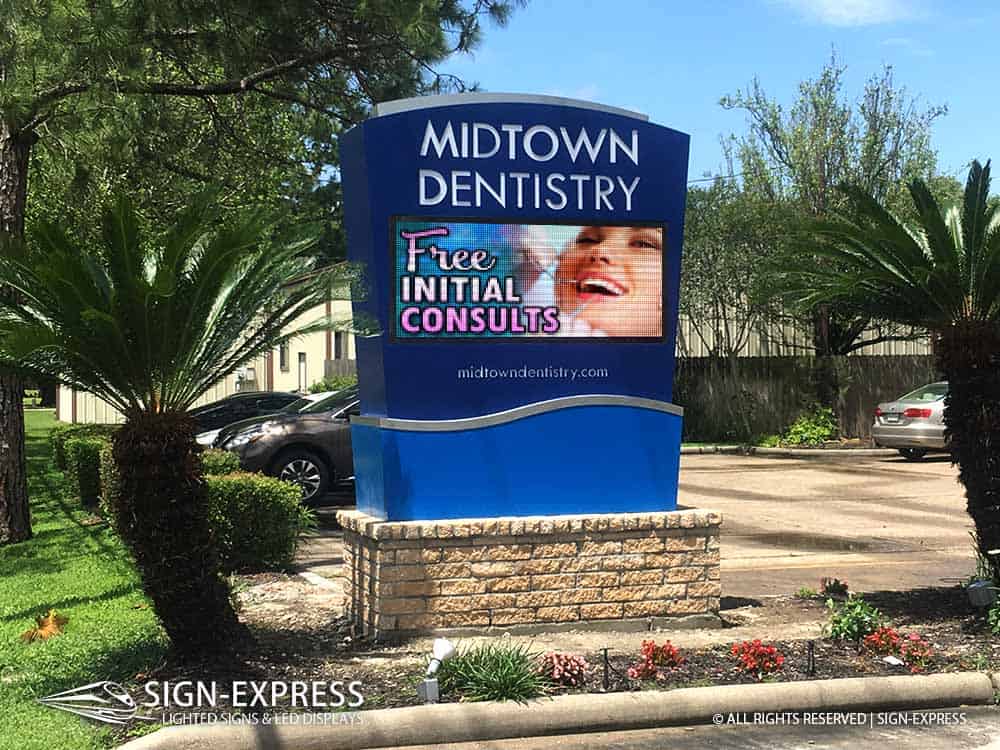
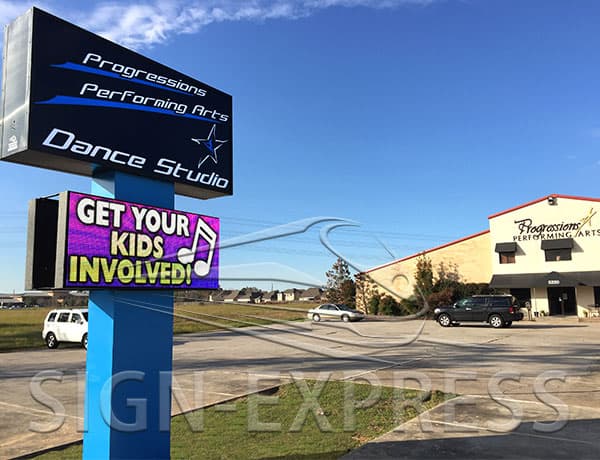
Whether you're considering a pole sign, monument sign, pylon sign, LED sign, custom outdoor business signage, understanding the purpose of each sign type is the first step toward making the right investment.
Why Do Roadside Signs For Businesses Still Work In A Phone-First World?
People absolutely use their phones. But people also make split-second choices while driving, walking, or riding past. Roadside signage is still one of the few marketing tools that can reach customers at the exact moment they are nearby and ready to buy.
Roadside signs help you:
- Capture "already in the area" customers without paying per click
- Reduce confusion so people actually turn in, instead of circling or giving up
- Build familiarity, so your business feels known and trusted over time
- Support your online marketing, because people often search after they notice a sign
The key is not just "having a sign." It is having a sign that is readable, legal, durable, and placed where it can do its job.
What Should You Decide Before You Design Anything?
Before colours, fonts, or materials, get clear on the basics. This prevents the common mistake of buying a sign that looks nice but performs poorly.
Ask yourself:
- Who needs to notice the sign, and how fast are they moving?
- Where is the decision point, meaning where people must turn or stop?
- What is the single most important message?
- What time of day matters most (daylight, night, both)?
- What do local rules allow where you want the sign installed?
A simple planning tip: treat your sign like a one-sentence sales pitch. If you cannot say it quickly, the sign cannot either.
How Do You Choose The Right Location And Height For Visibility?
Placement can matter more than design. Even a great sign fails if it is hidden by trees, parked vehicles, glare, or awkward angles.
What Makes A Placement Spot Strong?
A strong spot usually has:
- A clear line of sight from the approach direction
- Enough "view time" for the speed of traffic
- Minimal visual clutter around it
- Good contrast between the sign and the background
- A location close to the action point (the turn-in, driveway, or entrance)
If your sign is near regulated road corridors or close to highway right-of-way, you may face stricter controls on placement, spacing, and visibility.
How High Should A Roadside Sign Be?
There is no single perfect height. It depends on what blocks the view in your area.
In many real settings, these are the most common blockers:
- SUVs and trucks in the nearest lane
- Landscaping and street trees
- Fences and walls
- Other signs competing for attention
A practical approach is to do a "drive-by test" at the time of day you get your best customers. Stand where traffic approaches, then view the location from a vehicle at realistic speed. If you are guessing, you are risking.
What Makes A Roadside Sign Easy To Read In One Glance?
Readability is where most roadside signs for businesses win or lose. People do not study roadside signs. They scan.
A strong readability checklist looks like this:
- Short message, ideally 3 to 7 words for the main line
- Large, simple lettering with clean shapes
- High contrast between text and background
- Clear hierarchy, meaning business name first, then the one key action
- Minimal extra details (too many services listed becomes visual noise)
If you want to add more depth without cluttering the roadside sign, you can push details to other sign formats on-site.
What Should You Put On The Sign To Drive Real Enquiries?
A roadside sign is not a brochure. Your job is to make the next step obvious.
High-performing roadside signs for businesses usually include:
- The business name (or the name people already know you by)
- A clear category cue (what you are, not everything you do)
- A simple direction or action (Enter Here, Parking Rear, Next Left)
- Optional: a phone number only if it can be read safely and quickly
If you want to include a website, make sure it is short and clean. Long URLs are rarely read correctly at speed.
What Message Format Works Best?
For most businesses, this simple format is hard to beat:
Line 1: Business name
Line 2: Category or core offer
Line 3: Directional cue or action
Example structure:
Business Name
Core Service
Enter Here
What Rules And Permits Might Affect Roadside Signs For Businesses?
This is the part people often try to skip, and it can backfire. Rules vary widely by city, county, and road corridor. But there are common patterns.
Here are the usual categories that get regulated:
- Size (area, height, width)
- Lighting (brightness, timing, light spill)
- Placement (setbacks, distance from intersections, height restrictions)
- Safety and visibility (not blocking sight lines)
- Type (freestanding, wall sign, temporary banner, changeable message)
If a sign is within certain distances of major highways or visible from specific corridors, outdoor advertising controls can apply.
Local zoning can also substitute for some controls when it meets required standards for regulating size, lighting, and spacing.
The simple advice: treat permits as part of your sign budget and timeline, not an afterthought.
How Should You Think About Lighting Without Causing Complaints?
Lighting is powerful because it extends visibility into evening hours, but it is also a common source of neighbour complaints and compliance problems.
Good lighting decisions usually follow these principles:
- Use lighting that makes the message readable, not blinding
- Avoid glare and light spill into nearby homes or drivers' eyes
- Consider timers or dimming so brightness matches the environment
- Keep it consistent with what your local rules allow
If you are considering an LED sign or digital message center, be aware that some jurisdictions regulate message timing and brightness.
What Materials Hold Up Best For Outdoor Roadside Conditions?
Outdoor signs live a hard life: sun, rain, wind, heat, dust, occasional impacts, and constant exposure. You are not just buying a design. You are buying durability.
Material choices depend on:
- UV exposure
- Wind load
- Salt and humidity
- Vandal resistance
Popular materials include:
- Aluminum
- Steel
- Acrylic
- High-density urethane (HDU)
- LED components for illuminated signs
Also plan for maintenance. Even the best sign needs occasional cleaning, inspection, and sometimes face replacement after years of exposure.
How Do You Maintain A Roadside Sign So It Keeps Performing?
A roadside sign that fades, flickers, or becomes unreadable does more harm than you think. It signals neglect. It can also cause safety issues if people are trying to read it too late.
A simple maintenance plan can include:
Quick visual check for damage, dirt, or lighting issues
Clean faces, trim landscaping that blocks visibility
Inspect mounts, wiring, structural integrity, and surface fading
Refresh graphics or repaint before it looks tired
Even though your business sign is not a traffic control device, the lesson is the same: visibility is not optional if you want performance.
How Can Roadside Signs Support Accessibility And Clear Wayfinding?
Accessibility is not only about compliance. It is about helping every customer feel confident navigating your space.
For roadside signs for businesses, the practical accessibility tie-in is this:
- Use clear language
- Use high contrast
- Provide directional clarity once people enter the property
- Pair roadside visibility with strong on-site wayfinding so customers do not get lost
Businesses that combine effective roadside signs with quality directional signage create a better customer experience from the moment someone arrives.
When Should You Consider Going Beyond A Basic Roadside Sign?
Sometimes a single sign is not enough, especially if:
- Your entrance is hard to see
- You are in a busy commercial strip with heavy competition
- Your building is set far back from the road
- You share a complex with multiple tenants
In those cases, your strategy might include a combination of:
- Roadside signs
- Monument signs
- Pole signs
- Pylon signs
- Directional signage
- Building signs
- Interior wayfinding systems
A complete signage strategy often delivers better results than relying on a single sign type.
What Is The Smartest Next Step If You Want A Roadside Sign That Works?
A strong roadside sign is not an impulse buy. The smartest next step is to work with an experienced signage partner who understands visibility, permitting requirements, sign design, fabrication, and installation.
At Sign Express, we help businesses create custom signage solutions that are both effective and compliant. Our team works with you to understand your goals, location constraints, branding requirements, and budget before recommending the best signage solution.
Conclusion: What Should You Remember Most About Roadside Signs For Businesses?
If you remember only three things, make it these:
- Placement and readability drive results more than fancy design
- Permits and local rules shape what you can build, so plan early
- A sign is a long-term asset, and upkeep protects your investment
When roadside signs for businesses are planned properly, they do not just "look good." They guide real people to your door, strengthen your brand presence, and help generate new business day after day.
With the right signage strategy and expert support from Sign Express, your investment can continue delivering results for years.
CTA: What Should You Do If You Want Help Planning Your Sign?
If you want a roadside sign that is designed for real visibility, real compliance, and real customer action, Sign Express can help.
Our team specializes in:
- Custom roadside signs
- Pole signs
- Monument signs
- Pylon signs
- LED signs
- Directional signage
- Wayfinding systems
- Commercial sign installation
- Sign maintenance and repairs
From design and permitting to manufacturing and installation, we guide you through every step of the process.
About Sign Express
Sign Express is a leading provider of custom commercial signage solutions, helping businesses improve visibility, strengthen branding, and attract more customers through high-quality indoor and outdoor signs.
Our services include sign design, fabrication, permitting, installation, maintenance, LED signs, monument signs, pylon signs, channel letters, and complete wayfinding systems for businesses across a wide range of industries.
What Do People Ask About Roadside Signs For Businesses?
What Is The Biggest Mistake People Make With Roadside Signs For Businesses?
The biggest mistake is cramming in too much information. If someone cannot read it quickly, it will not convert. Keep the message short, prioritise readability, and let other sign types handle details.
How Long Does It Usually Take To Get A Roadside Sign Approved?
It depends on your local authority and sign type. Some simple replacements move quickly, while new freestanding signs can take longer due to zoning checks, structural review, and lighting rules. Plan for permits as part of your timeline, not an extra step at the end.
What If My Business Is Set Back Far From The Road?
You may need a stronger combination of roadside identification plus on-site directional signs so customers do not miss the entrance. A multi-sign approach often performs better than trying to force everything into one big sign.
Should I Put My Phone Number On The Roadside Sign?
Only if it can be read easily and safely. In many cases, the better move is to focus on business name plus category, then make entry and parking obvious. If you do include a number, keep it simple.
How Often Should I Replace Or Refresh A Roadside Sign?
Refresh timing depends on weather exposure, materials, and lighting. Many signs benefit from an annual inspection and occasional face or graphic updates when fading, cracking, or readability issues start to show. Regular cleaning and trimming landscaping can extend performance noticeably.