ADA Signage Printers: In-House Compliance Solutions for Businesses
Modern ADA signage printers enable businesses to produce compliant signs in-house with professional quality
For facilities managers and business owners, maintaining ADA compliance doesn't have to mean outsourcing every signage need. Today's advanced ADA signage printers offer professional-grade solutions that put compliance control back in your hands while saving time and reducing costs.
This practical guide explores how businesses across industries are leveraging in-house ADA printing technology to manage their compliance needs efficiently, respond quickly to changes, and maintain consistent brand standards across all facilities.
Why Consider In-House ADA Signage Printing?
While outsourcing has its place, bringing ADA signage production in-house offers compelling advantages for organizations with multiple locations, frequent updates, or specialized compliance requirements.
Cost Efficiency
Eliminate markups and shipping costs for routine sign updates and replacements
Time Savings
Produce needed signs immediately rather than waiting for vendor turnaround
Flexibility & Control
Make instant updates for employee changes, room renumbering, or emergency replacements
The Business Case:
For organizations with 50+ signs or multiple locations, the return on investment typically ranges from 6-18 months. The break-even point comes even faster when you factor in the value of immediate compliance and reduced liability exposure.
Understanding ADA Printer Technology
Modern ADA signage printers have evolved significantly, offering professional results that meet or exceed commercial standards while remaining accessible for in-house operations.
Printing Methods
Key Technical Specifications
Compliance Requirements Made Simple
ADA signage printers come with integrated compliance features that take the guesswork out of meeting federal standards, ensuring every sign meets legal requirements.
Tactile & Braille Standards
Character Height & Spacing
Automated enforcement of 5/8" to 2" character height requirements with proper spacing
Grade 2 Braille
Precision Braille dots at 0.025" above baseline with correct spacing and positioning
Stroke Width
Maintains 10-15% stroke width to character height ratio automatically
Visual & Contrast Standards
Color Contrast
Ensures 70% minimum contrast between characters and background
Non-Glare Finish
Produces matte or eggshell finishes that meet light reflection requirements
Font Compliance
Restricts to simple, sans-serif typefaces as required by ADA standards
Compliance Software Integration
Most professional ADA printers include or integrate with compliance software that automatically checks designs against current ADA standards, flagging potential issues before production. These systems typically include:
Template Libraries
Pre-designed templates for common sign types that are guaranteed compliant
Real-time Validation
Instant feedback on design elements that may not meet standards
Update Management
Automatic updates when ADA standards change or evolve
Material Options & Durability
Professional ADA printers work with a range of materials suitable for different environments and durability requirements, from corporate offices to healthcare facilities.
Common Substrate Options
Durability & Maintenance
UV Resistance
Modern UV-cured inks and coatings provide excellent fade resistance, maintaining compliance for years
Chemical Resistance
Withstands common cleaning chemicals used in healthcare and facility maintenance
Impact Resistance
Durable substrates maintain tactile features even in high-traffic areas
Implementation & Workflow Considerations
Successfully integrating ADA printing into your operations requires planning around space, workflow, and staff training to maximize efficiency and return on investment.
Space & Setup Requirements
Footprint
Most systems require 50-100 square feet including material storage and finishing area
Ventilation
Proper ventilation needed for some printing processes and material handling
Power Requirements
Standard 110V or 220V outlets depending on system size and capabilities
Staffing
Typically 0.5-1 FTE dedicated to signage production and management
Typical Production Workflow
Request Intake
Sign requests submitted via form, email, or facility management system
Design & Compliance Check
Template-based design with automated compliance validation
Production
Automated printing, engraving, and finishing processes
Quality Control
Verification of tactile features, Braille, and visual elements
Installation
Internal team installation or coordination with facilities staff
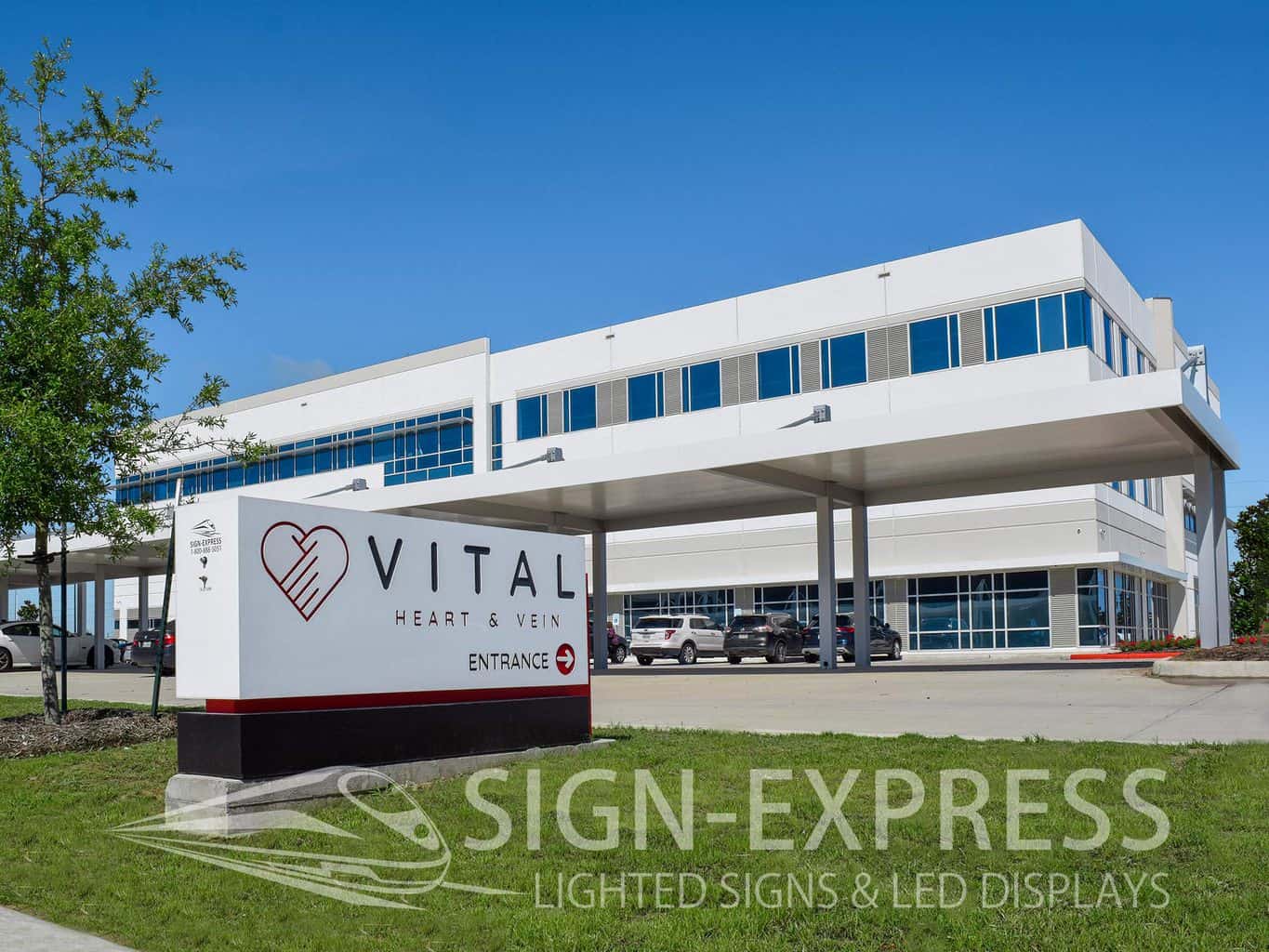
Real-World Success: Vital Heart & Vein
After implementing an in-house ADA printing solution, Vital Heart & Vein experienced smoother operations and faster signage updates across their facilities. Their team now maintains consistent compliance, improved branding, and quicker turnaround for room changes, staff updates, and regulatory requirements — all with greater efficiency and control.
Cost Analysis & ROI Considerations
Understanding the total cost of ownership and potential return on investment helps organizations make informed decisions about bringing ADA signage production in-house.
Typical Payback Period
Small Organization
50-100 signs annually
18-24 month payback period
Medium Organization
100-300 signs annually
12-18 month payback period
Large Organization
300+ signs annually
6-12 month payback period
Ongoing Operational Costs
Materials & Consumables
$0.50 - $2.50 per sign depending on substrate and complexity
Maintenance & Service
$1,500 - $4,000 annually for service contracts and preventative maintenance
Staff Time
0.5 - 1.0 FTE for production, management, and installation coordination
Taking Control of Your Compliance Strategy
In-house ADA signage printing represents a strategic shift from reactive compliance to proactive management. By bringing this capability internal, organizations gain control over timelines, costs, and quality while ensuring consistent adherence to accessibility standards across all facilities.
The technology has reached a point where professional results are accessible to organizations of various sizes, making what was once a specialized outsourcing function now a manageable internal operation with compelling financial and operational benefits.
Strategic Advantages:
- Significant cost savings for organizations with ongoing signage needs
- Dramatically reduced turnaround times for updates and replacements
- Guaranteed compliance through integrated software and automated processes
- Consistent brand standards across multiple locations and facilities
- Reduced liability through immediate response to compliance issues
- Flexibility to adapt quickly to organizational changes and growth